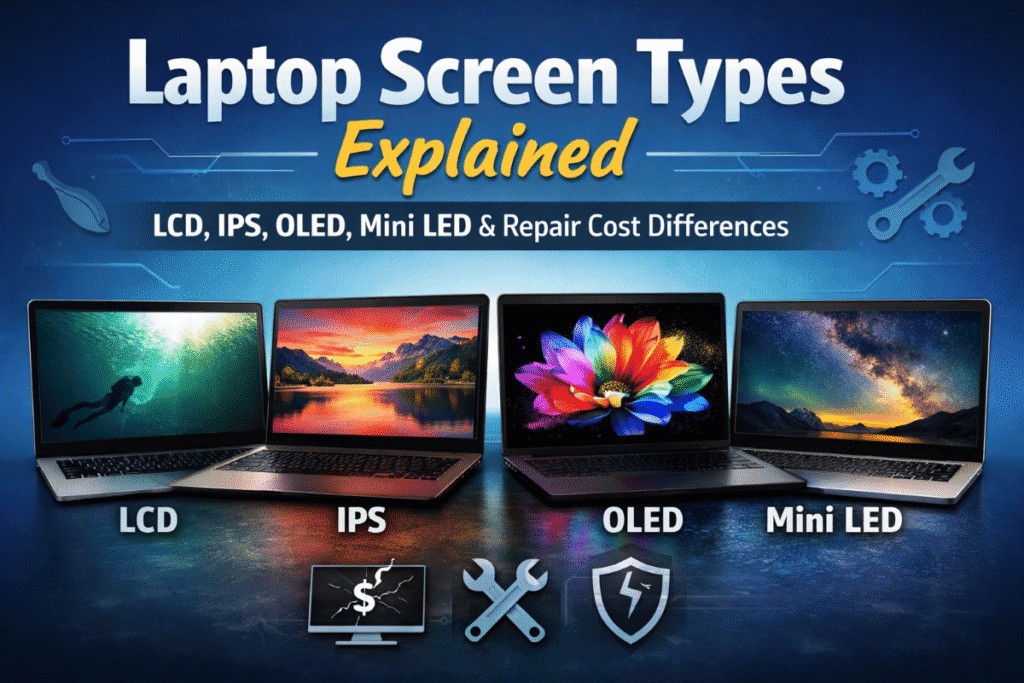
Laptop screens are not all the same. The type of screen inside your device affects image quality, how the screen responds to damage, and how much it costs to repair. Screen replacement is a frequent and often costly laptop repair in Singapore. Many users only learn the cost differences after the screen is already broken.
This guide explains the most common laptop screen types and highlights how each affects durability, repair complexity, and replacement costs in Singapore. It is aimed at helping you make informed ownership, repair, and buying decisions.
Overview of Modern Laptop Screen Technologies

Laptop screens today use a few main technologies. Manufacturers use different terms, but the underlying panel type determines performance and repair implications.
| Screen Type | Technology Basis | Typical Visual Advantage | Repair Complexity | Relative Repair Cost in Singapore |
|---|---|---|---|---|
| LCD (TN or VA) | Liquid Crystal Display | Basic | Low | Low |
| IPS LCD | Enhanced LCD | Better color and angles | Low to medium | Low to medium |
| OLED | Self-emissive pixels | High contrast and deep blacks | High | High |
| Mini LED | LCD with many small LEDs | Improved contrast and brightness | Very high | Very high |
LCD Screens (TN and VA Panels)
What They Are
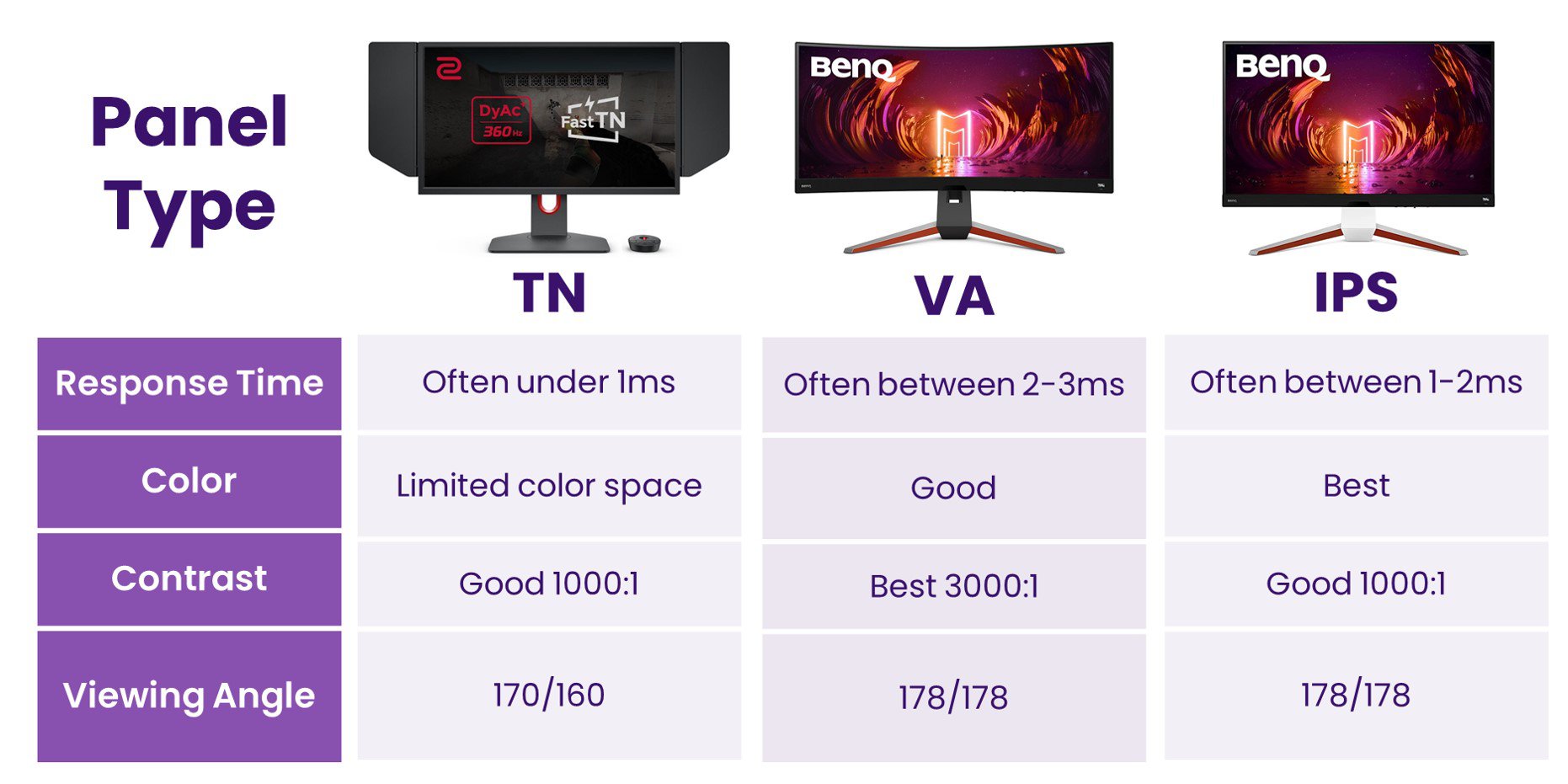
LCD screens use a panel of liquid crystals and a backlight to make images appear. In laptops, even LED-branded screens are typically LCDs with LED backlights rather than a fundamentally different screen type.
Real World Performance
LCD remains common in budget laptops. Its picture quality is acceptable for everyday use but has limitations in colour fidelity and viewing angles compared to more advanced screens.
Common Failure Patterns
- Cracked glass from impact
- Dead pixels
- Backlight issues
Repair Cost Impact in Singapore
LCD panels are common and parts are widely available. Repair services often list LCD replacements starting from around SGD 158 for some models, with typical rates falling in the lower cost bracket in local diagnostics.
Repair cost level: Low
IPS LCD Screens
Why IPS Became the Standard
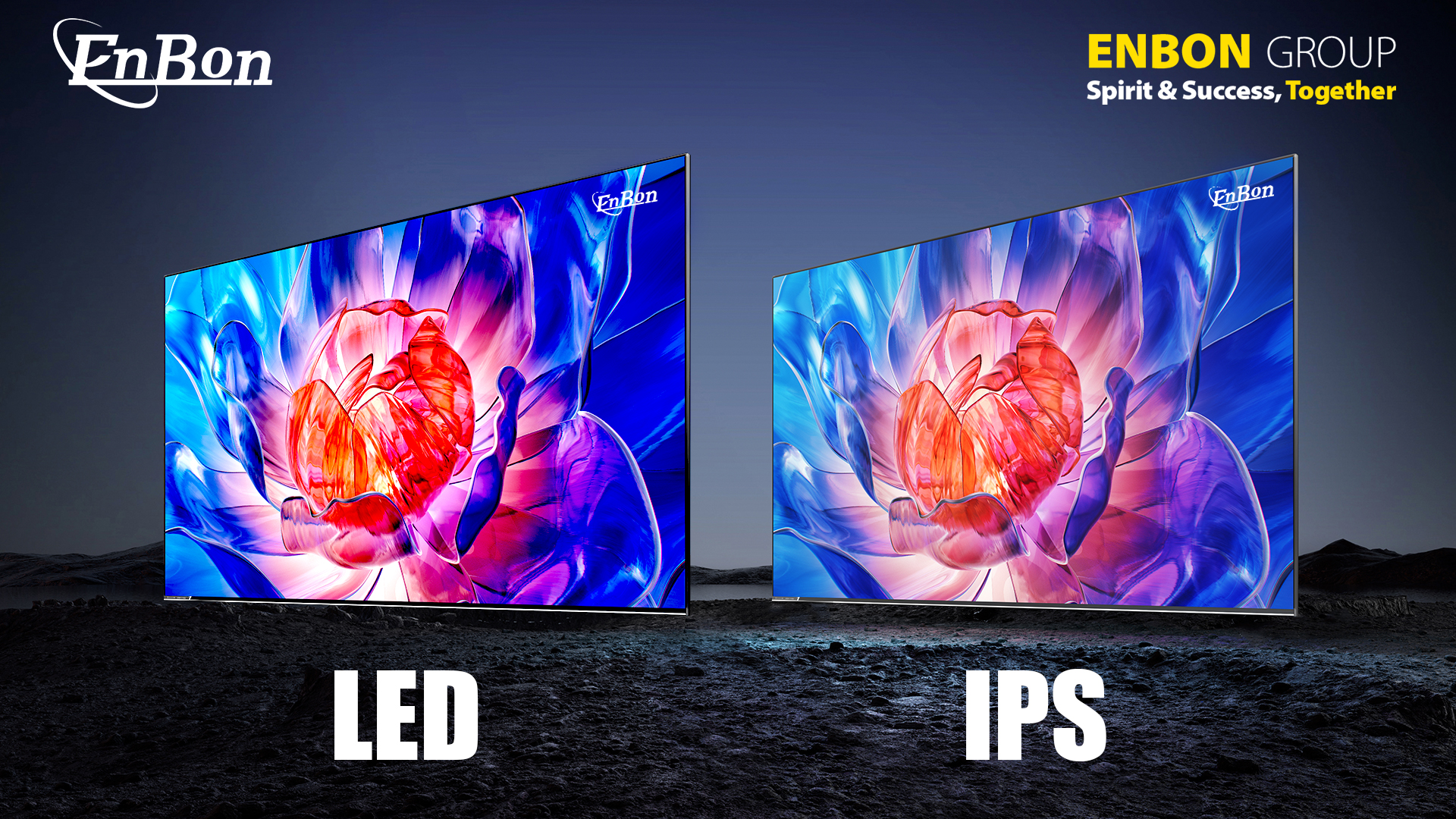
IPS is a specific type of LCD panel that improves colour accuracy and viewing angles by aligning liquid crystals in-plane rather than twisting them.
Durability and Risks
IPS panels have similar structural limits as other LCDs. Breakage from physical impact remains the main risk, and dead pixels or backlight irregularities are common issues.
Repair Considerations
Most mainstream laptops with IPS screens can be repaired by replacing just the panel, though touchscreen variants may be more complex if laminated.
Repair cost level: Low to medium
OLED Laptop Screens

How OLED Is Different
OLED screens do not use a backlight. Each pixel emits its own light, allowing very deep blacks and high contrast levels.
Real World Risks
OLED panels are visually striking but have some material limitations such as potential image retention over long durations. Many premium laptops use OLED for richer colour and contrast.
Repair Reality
OLED panels are typically more expensive to manufacture and source than standard LCDs. For many models, screen repair requires replacing the full display assembly rather than just the panel.
Repair cost level: High
Mini LED Screens
Where Mini LED Is Used
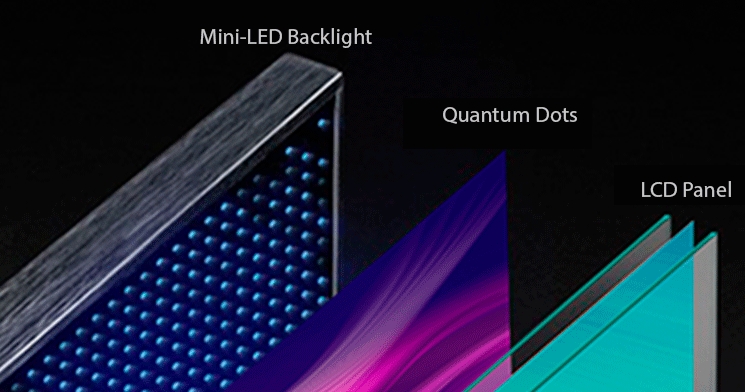
Mini LED technology uses thousands of very small backlight diodes behind an LCD panel. This design enables better control of brightness and contrast compared with standard LED-backlit LCDs.
Why Repairs Are Expensive
Because Mini LED is an enhanced backlight system within an LCD architecture, its complexity and integration in the display assembly increase repair difficulty. Replacing only part of the system is often not possible.
Repair cost level: Very high
Touchscreen and Laminated Displays

What Laminated Means
Some screens bond the outer glass, touch digitizer, and display panel into a single laminated unit. This improves image clarity but prevents separating layers cleanly during repair.
Why Partial Repair Is Rare
If the glass cracks, separating the layers usually destroys the panel, so technicians must replace the entire laminated assembly.
Repair cost level: Medium to high depending on screen type
MacBook Screens vs Windows Laptop Screens
Structural Differences
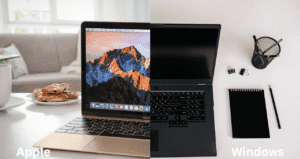
MacBook screens, especially the higher-end Retina and Mini LED versions, are generally laminated and tightly integrated with the display housing. This design makes panel-only repair less common than on many Windows laptops.
Cost Implications
MacBook screen repairs in Singapore tend to be more expensive even for similar screen size and resolution models, due to integrated assembly requirements and parts sourcing costs.
Typical local quotes show screen repair costs often higher for Apple devices than for comparable Windows laptops.
Repair Cost Comparison by Screen Type
| Screen Type | Typical Failure | Replacement Method | Relative Cost in Singapore |
|---|---|---|---|
| LCD | Cracked panel | Panel only | Low |
| IPS LCD | Cracks, dead pixels | Panel only | Low to medium |
| OLED | Burn-in or cracks | Full assembly | High |
| Mini LED | Backlight or panel fail | Full assembly | Very high |
Actual prices vary by model, screen size, and market availability, but screen technology remains the largest cost driver.
Which Screen Type Is Cheapest and Most Expensive to Repair
- Cheapest: Standard LCD and non-laminated IPS screens
- Most expensive: OLED and Mini LED displays
Understanding this before you damage your laptop can help you make better choices when purchasing or insuring your device.
What to Consider Before Buying a Laptop Based on Screen Type
- If accidental damage risk is high, consider IPS LCD rather than OLED or Mini LED.
- Touchscreen and laminated screens increase repair costs even on IPS panels.
- For long ownership, screens with easier panel replacement can save long-term costs.
Frequently Asked Questions
How do I identify my laptop screen type?
Look up the laptop model’s specifications or consult a technician. Most manufacturers list panel type in official technical specs.
Is an OLED screen worth repairing after it cracks?
Because OLED repair costs are often high, many users choose replacement when the repair expense approaches the device’s value.
Can cracked glass be replaced without changing the display?
On non-laminated screens, glass may sometimes be replaced alone. On laminated screens, full assembly replacement is usually required.
Why do MacBook screen repairs cost more than Windows laptop screens?
Apple designs often use integrated assemblies that cannot be partially replaced, increasing parts and labour complexity.
Conclusion: Screen Technology Shapes Repair Decisions
The type of screen inside your laptop affects visual quality, durability, and how much it costs to repair. Knowing the differences between LCD, IPS, OLED, and Mini LED helps inform repair choices and prevent unexpected costs. In Singapore’s competitive repair market, understanding screen technology can guide you to the best decision whether that means repair, replacement, or prevention.
At RepairX.sg we focus on clear explanations and honest assessments so you are not surprised by repair complexity or cost. Our technicians can assess your screen and explain what is feasible in your situation.