

When buyers search for the best laptop screen brand, they often expect a simple answer. In reality, screen quality depends more on panel technology, brightness level, and calibration than brand name.
Some brands dominate in calibration consistency. Others lead in OLED adoption. Some prioritise durability over extreme brightness.
This guide compares flagship models from major brands to help you choose based on real world use, not marketing claims.
What Actually Determines Screen Quality
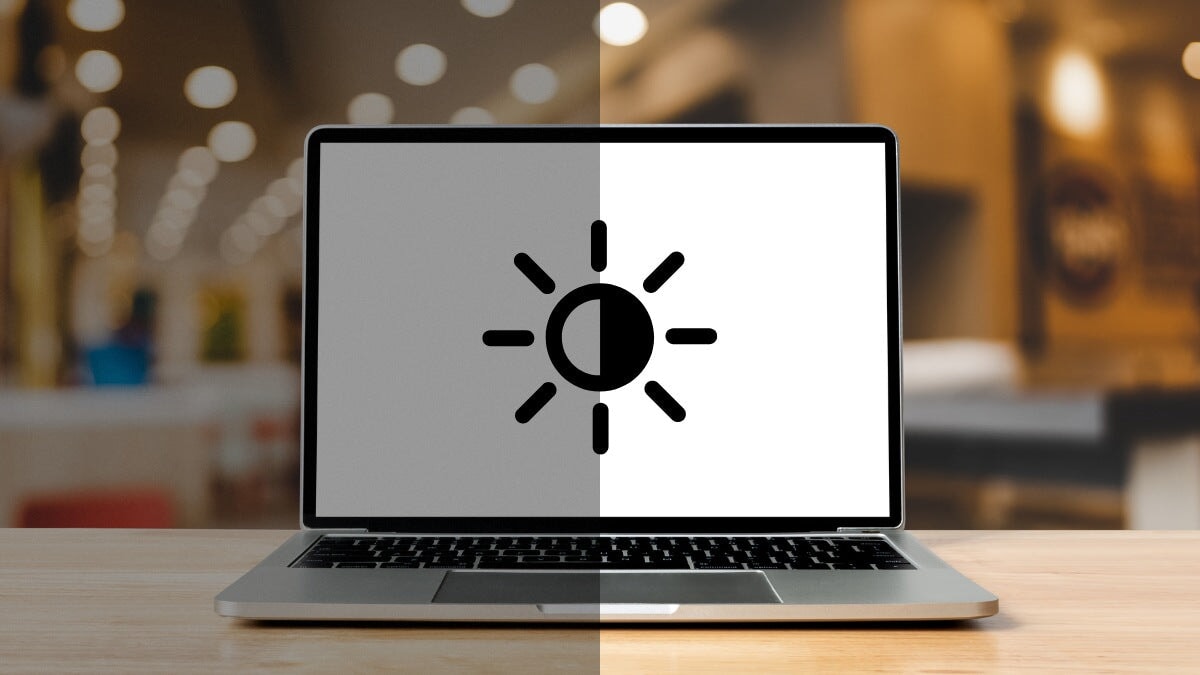
Before comparing brands, it helps to understand what truly affects screen quality.
1. Brightness Levels
| Brightness (Nits) | Usage Level | What It Means for Users |
|---|---|---|
| 250 to 300 nits | Basic indoor use | Suitable for home or low light office environments |
| 400 to 500 nits | Comfortable professional use | Clear visibility in bright offices and near windows |
| 600 nits and above | Premium tier | Excellent outdoor visibility and high clarity in strong lighting |
Higher brightness improves clarity, contrast perception, and usability in well lit environments.
2. Colour Accuracy and Gamut
| Feature | What to Look For | Why It Matters |
|---|---|---|
| sRGB Coverage | Close to 100 percent | Accurate colour for general productivity and media use |
| DCI P3 Coverage | High percentage coverage | Important for video editing and creative work |
| Factory Calibration | Pre-calibrated panel | Ensures consistent colour accuracy out of the box |
| Panel Tuning | Proper brightness and gamma tuning | A well tuned IPS panel can outperform a poorly calibrated OLED panel |
Panel Technology
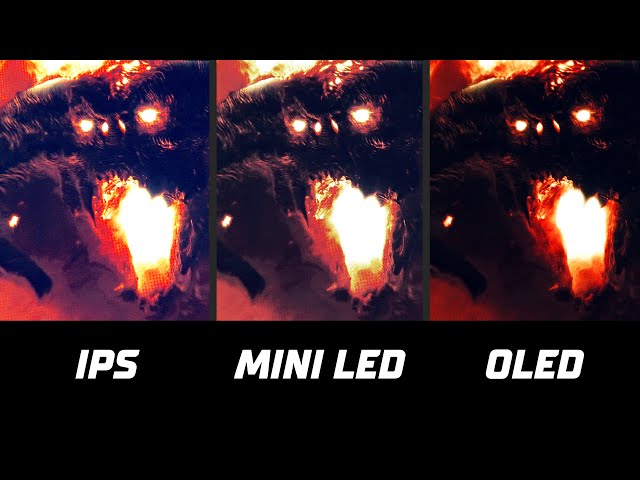
| Panel Type | Strength | Trade Off |
|---|---|---|
| IPS LCD | Balanced brightness and durability | Lower contrast than OLED |
| OLED | Deep blacks and vivid colours | Higher repair risk and cost |
| Mini LED | Very high brightness and strong contrast | Expensive and integrated |
Understanding this helps you evaluate brands properly.
Flagship Laptop Screen Comparison 2026

Below are current flagship examples and their display positioning.
| Brand | Flagship Model | Panel Technology | Brightness Tier | Colour Strength | Repair Risk Tier |
|---|---|---|---|---|---|
| Apple | MacBook Pro 14 or 16 | Mini LED | Very High | Excellent calibration | Very High |
| ASUS | ProArt OLED | OLED | High | Wide colour gamut | High |
| Dell | XPS OLED | OLED or high brightness IPS | High | Very Good | High |
| Lenovo | ThinkPad X1 Carbon | IPS LCD | High | Good to Very Good | Medium |
| HP | Spectre OLED | OLED | High | Wide colour | High |
This table reflects how brands position their best screens today.
Brand Strength Breakdown
Laptop Display and Ownership Comparison
| Brand | Display Strength | Visual Advantages | Repair / Ownership Note | Best For |
|---|---|---|---|---|
| Apple | Strong factory calibration, Mini LED brightness, colour uniformity | Very high brightness in MacBook Pro Mini LED models, consistent colour accuracy | Laminated construction increases screen repair cost | Creative professionals prioritising calibration accuracy |
| ASUS | Widespread OLED adoption, strong contrast | Deep blacks, vibrant colour, strong media experience | OLED panels can increase replacement cost | Designers, video editors, entertainment focused users |
| Dell | High resolution IPS options, OLED upgrades, strong flagship brightness | Balanced productivity and premium visuals | Business lines generally moderate repair tier | Developers, office professionals, balanced creative work |
| Lenovo | Durable IPS panels, practical brightness, consistent tuning | Reliable business grade display performance | Business models often more repair friendly | Long term ownership and business reliability |
| HP | OLED in premium tiers, solid IPS in business lines | Balanced enterprise and consumer appeal | Practical repair cost in business models | Office users and enterprise environments |
Which Brand Is Best for You
For Colour Critical Creative Work
Apple MacBook Pro Mini LED or ASUS ProArt OLED.
For Bright Office Environments
MacBook Pro Mini LED or high brightness Dell XPS IPS.
For Media and Entertainment
For Lower Long Term Repair Risk
Lenovo ThinkPad IPS or Dell business IPS models.
What Most Buyers Overlook
- Brightness matters more than resolution in daily use
- OLED looks impressive in stores but may increase repair cost
- IPS remains the most balanced long term option
- Not every model within a brand uses the same quality panel
Screen quality varies within each brand lineup.
Frequently Asked Questions
Which laptop brand has the best screen overall?
There is no universal best brand. Apple leads in calibration consistency. ASUS leads in OLED adoption. Dell and Lenovo offer strong IPS options. The best choice depends on your use case.
Is OLED better than IPS for laptop screens?
OLED provides better contrast and deeper blacks. IPS offers strong brightness, good colour accuracy, and often lower repair cost. For most users, IPS is sufficient. For colour critical or media work, OLED can be superior.
Which laptop has the brightest screen right now?
High end MacBook Pro Mini LED models are among the brightest laptops available. Some premium Windows OLED and IPS models also reach high brightness levels, depending on configuration.
Are business laptops worse in screen quality?
Not necessarily. Many business laptops use well calibrated IPS panels with practical brightness. They may not prioritise extreme colour saturation, but they are reliable for productivity.
Which laptop brand is best for long term ownership?
Brands offering modular IPS panels generally provide lower repair risk. Business class models from Lenovo, Dell, and HP often balance durability and screen quality well.
Final Verdict
There is no single best laptop screen brand. The real decision comes down to:
- Panel technology
- Brightness level
- Calibration quality
- Long term ownership considerations
Apple dominates in calibration and Mini LED brightness. ASUS pushes OLED aggressively. Dell balances productivity and premium visuals. Lenovo and HP prioritise reliability and practical brightness.
Choose based on your workflow and tolerance for repair cost, not brand marketing alone.
At RepairX.sg, many users only discover the impact of screen construction after damage occurs. Understanding these differences before buying helps prevent expensive surprises later.
